Your Brain is a Garden
Read it together with your child.
Inside your head, you have a brain. Your brain is like a garden. It grows every day.
In your brain garden, there are two special helpers.
The Alarm. The Alarm keeps you safe. When something feels scary or big, the Alarm rings: "Ding ding ding!" Your heart goes fast. You might want to cry, yell or run. The Alarm is good. But sometimes it rings too loud, even when you are safe.
The Captain. The Captain helps you think. The Captain says, "Let's stop. Let's breathe.
What should we do?" The Captain helps you wait your turn, say sorry, and try again.
Here is the secret:
When you breathe slowly, you help the Captain and you quiet the Alarm.
Let's try it
Put your hand on your tummy.
Smell a flower: breathe in through your nose... 1, 2, 3.
Blow out a candle: breathe out slowly... 1, 2, 3, 4.
Do it three times.
How do you feel? A little calmer? That's your Captain getting stronger.
Why doing it every day matters
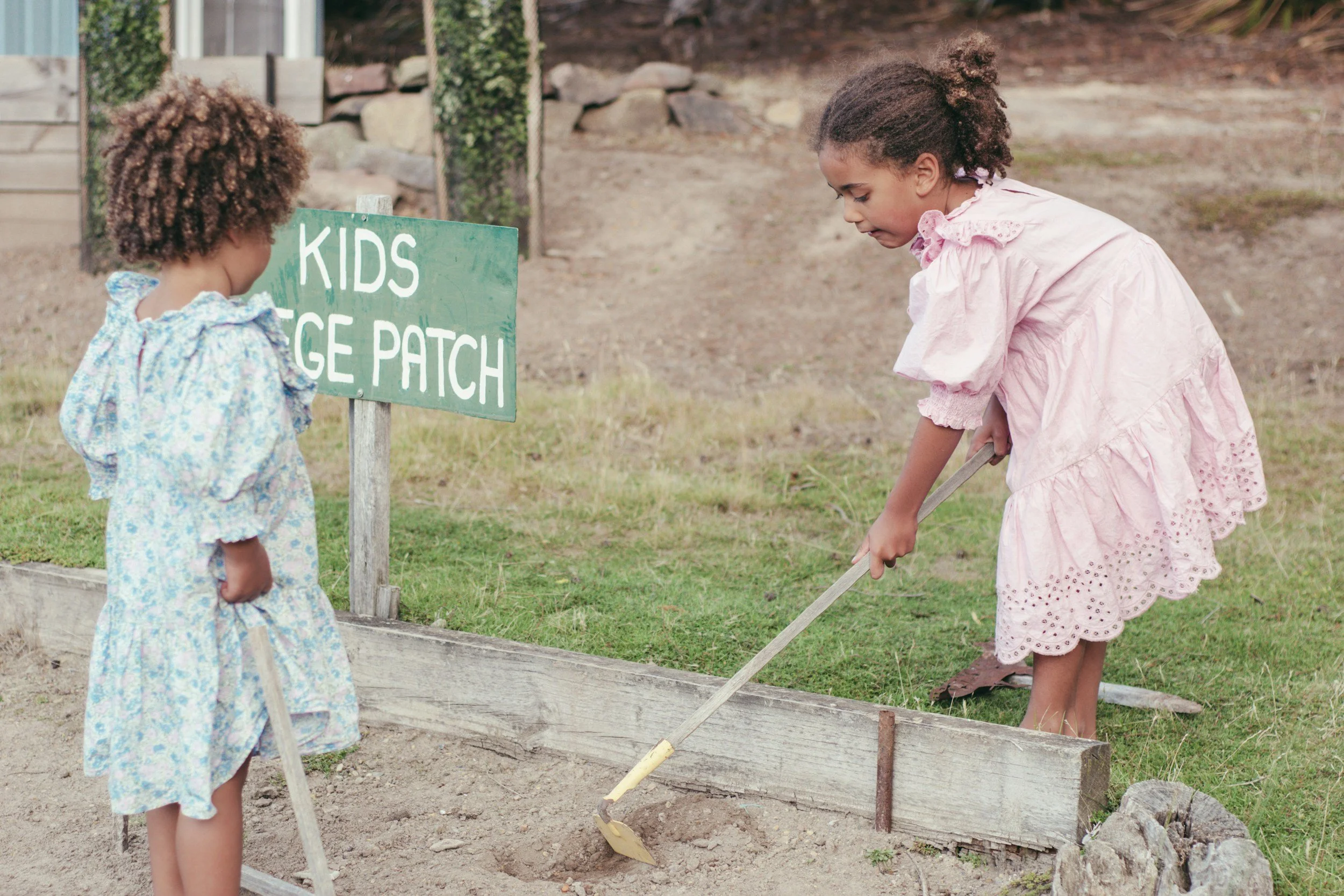
A garden needs water every day, not just once. Your brain is the same. Each time you take slow breaths, it's like watering your brain garden. One day of water won't make a big tree. But a little water every day, for a long time, helps your garden grow big and strong.
When you keep practising, it gets easier to find your calm, even when the Alarm rings.
Little breaths, every day, grow a strong and happy brain.
For grown-ups
The "Alarm" is the amygdala, the brain's threat detector. The "Captain" is the prefrontal cortex, which handles planning, impulse control and calming big feelings. It is one of the last parts of the brain to mature, still developing into late adolescence and early adulthood (Gogtay et al., 2004), so children are building it right now.
In adults, studies have linked mindfulness practice to changes in these areas. After an 8-week mindfulness course, the people whose stress dropped the most also showed the biggest changes in the amygdala (Hölzel et al., 2010), and long-term meditators had a thicker prefrontal cortex than non-meditators (Lazar et al., 2005). The evidence is still growing, and a larger trial found no structural brain changes after a short 8-week course (Kral et al., 2022). That's why we treat calm as a skill children practise a little every day, not a quick fix.